I recently read a National Geographic article detailing the job of Exilien, a bayakou in Haiti. It seems a bayakou cleans the underground toilets for the people of his country. The author, Andrea Bruce, had difficulty finding a bayakou who would be willing to have his picture taken, yet Exilien was desirous of the honor because he “rejects the idea that his profession is shameful; he is proud of what he does and wants to be respected.” (“Finding Dignity in a Dirty Job”) The remarkable aspect of the story lies not only in Exilien’s healthy self-esteem, but his understanding of the necessary role he plays in his community’s ability to thrive. You see, Exilien’s work ensures that Haitians have clean water, meaning less disease.
Reading about Exilien’s pride in his job reminds me of the important position all of us play in the success of our families, communities, states, and nation. I’ll never forget Hurricane Hugo and the two weeks that followed. What I learned—and have never lost—was the importance of trash removal and hot water, in that order. I’m also confident, had it hit during the heat of the summer, air conditioning would be on the list as well.
Feeling dignity in the tasks of our daily lives brings a fulfillment, whether at work, home, or elsewhere. No matter how dirty the job, if we are given genuine appreciation, job gratification is more likely. Of course, our chosen mode of gratification differs—slap on the back, words of praise, or just seeing the end result of our efforts.
Giving appreciation—the act of recognizing someone’s worth as a person or showing that you are grateful for something that person has done (Cambridge Dictionary)—remains one of the easiest acts to bring joy and accomplishment to an employee, friend, stranger, or parent, among others. Like altruism, when you witness the effect genuine praise has on someone else, you feel pretty dandy as well:). It’s a twofer!
I’m sure Bruce’s article had multiple goals in highlighting Exilien and his work, but I’ll be grateful for her “don’t miss the forest for the trees” reminder.

Quote of the Day:
Appreciation is a wonderful thing. It makes what is excellent in others belong to us as well.” Voltaire




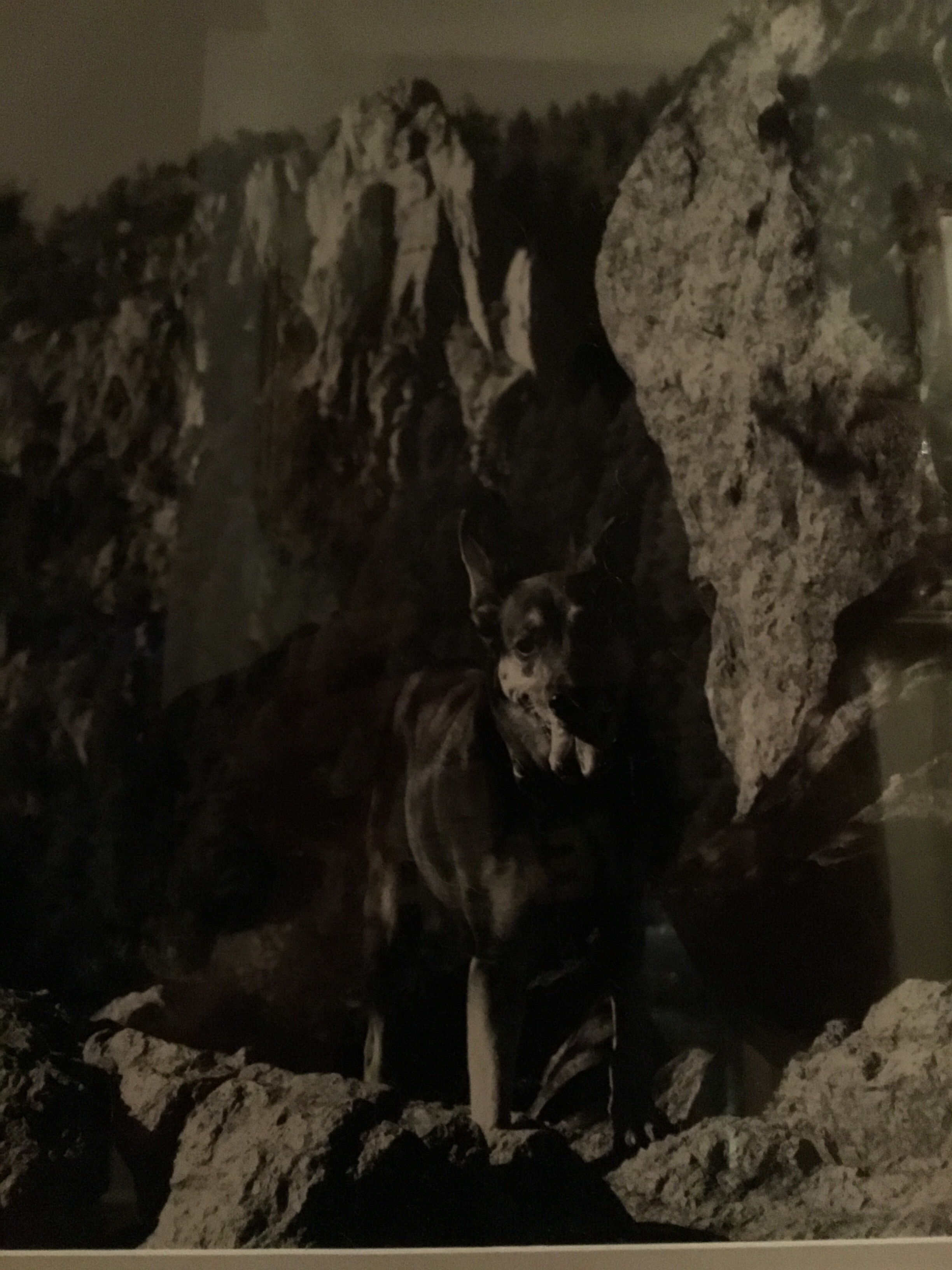 I should’ve been a vet, or zoologist, or photographed wildlife. Don’t all animal lovers think that?!
 Designs on Life